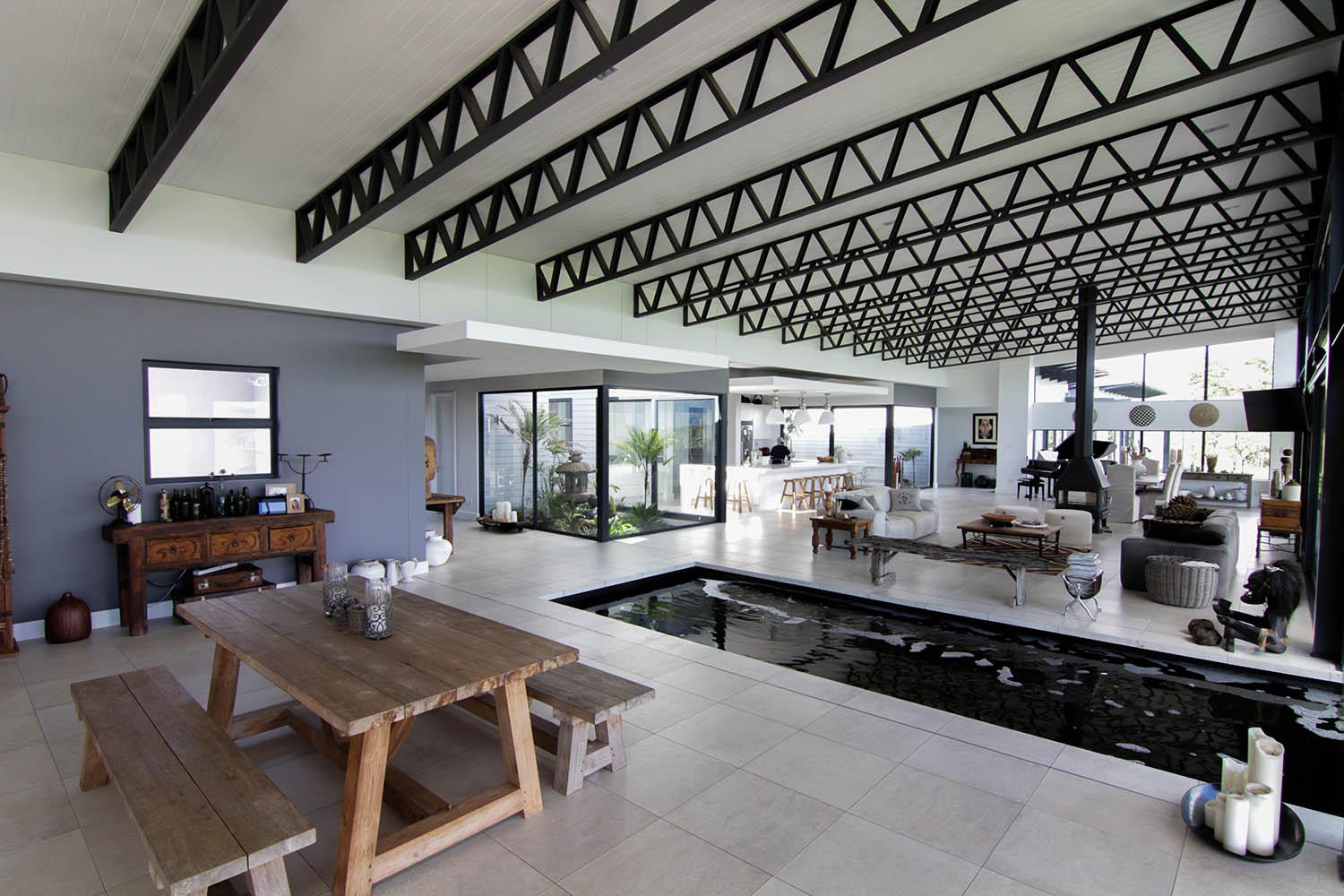
House DeClercq – Mt Verde Estate, Hilton, KZN
Designing House DeClercq was a defining moment in my architectural journey, as it marked the first time I employed Light Steel Framing (LSF) as the primary construction method. Unlike the conventional building techniques of brick and mortar or timber trussed roofs, LSF offered a unique set of challenges and opportunities. From the beginning, this project stood out—not just because of its innovative construction method, but also because it was, to the best of my knowledge, the only home of this type within the Mt Verde Estate.
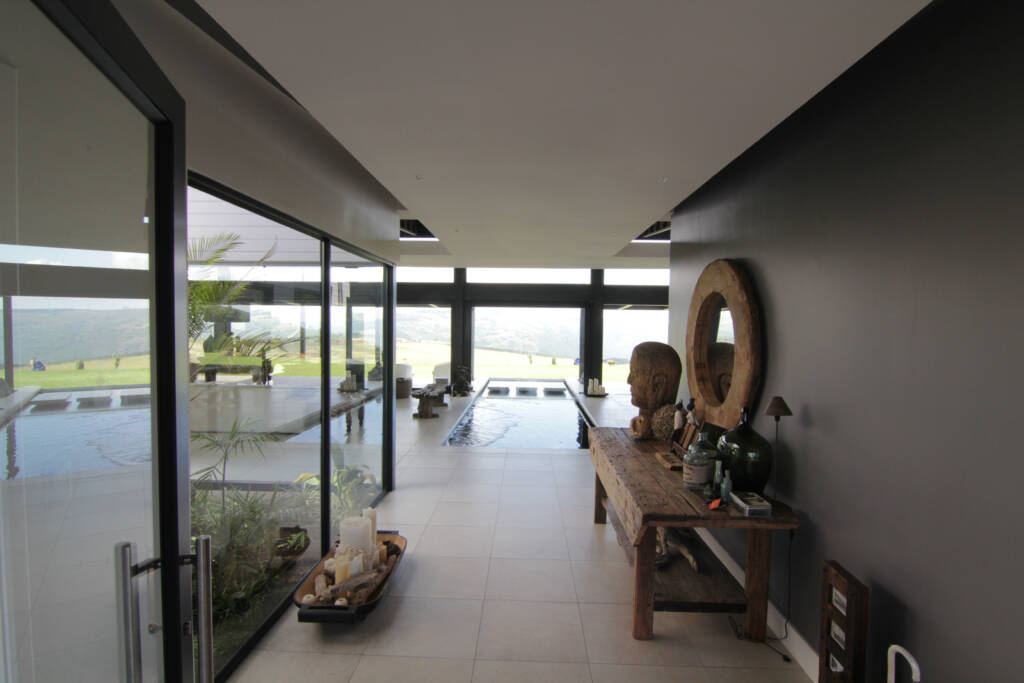
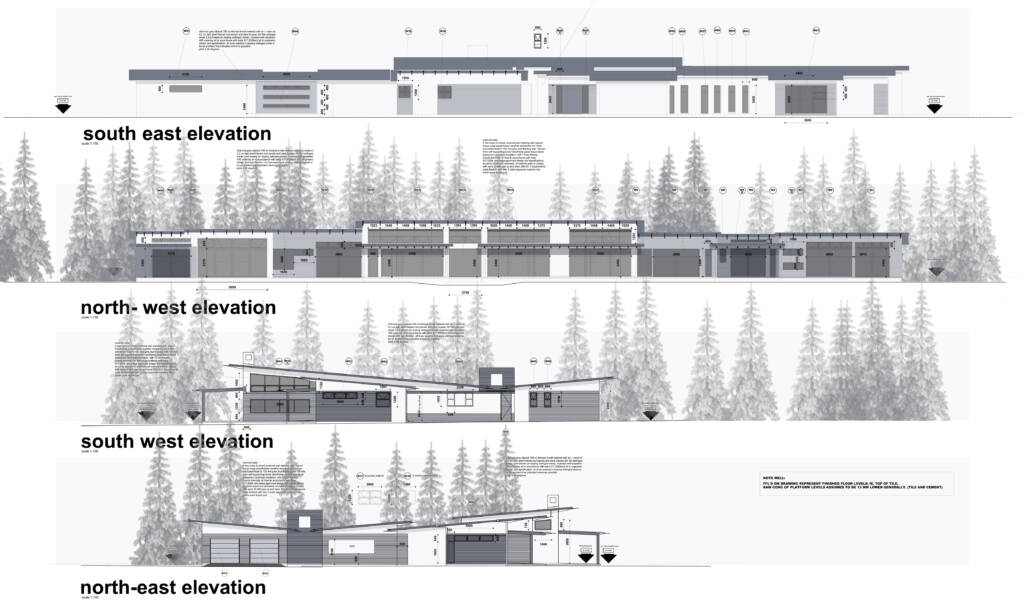
My clients took a bold step in choosing LSF, and the learning curve was steep for all of us involved. Fortunately, I was supported by an equally enthusiastic team, including the main contractor, Bjorn Kahler of Shospec, who was as committed as I was to pushing the boundaries of what could be done with this type of construction. We weren’t just building a house; we were setting a precedent, exploring new territory in residential construction.
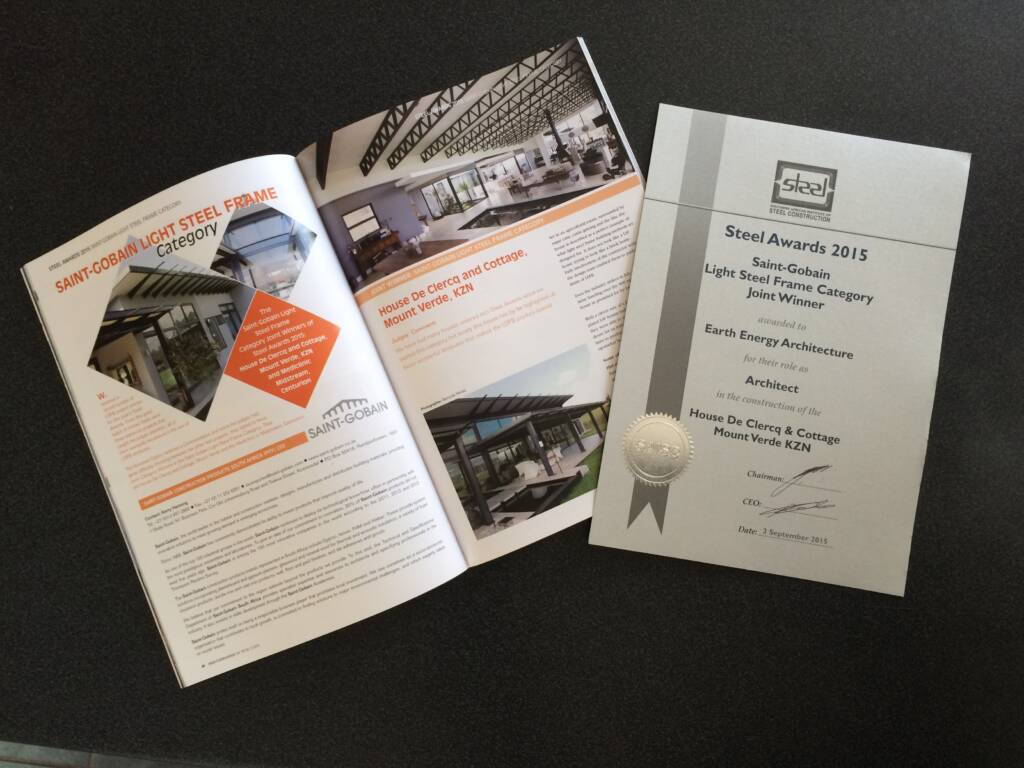
Our efforts were rewarded when House DeClercq was named the joint winner of the Saint-Gobain Light Steel Frame category at the 2015 South African Institute of Steel Construction Steel Awards. This recognition underscored the numerous advantages of LSF, which I came to appreciate deeply throughout the project. One of the most significant benefits was the speed of construction—remarkably, the entire house was completed in under six months. This efficiency was made possible by the precision of the LSF system, where every component is designed in CAD and manufactured by computer-controlled machines. The result is a structure with unparalleled accuracy: every corner is a perfect 90 degrees, and every wall is flawlessly vertical.
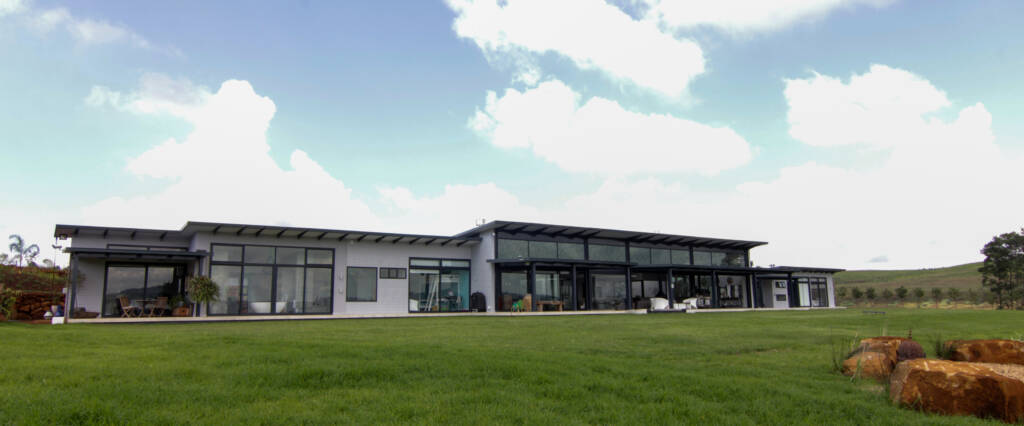
This precision has practical benefits that go beyond the construction phase. For example, the entire house is tiled with the same square tile, and there isn’t a single room or corridor where the tiles indicate that the walls are out of square. This level of accuracy is something that’s increasingly difficult to achieve with traditional construction techniques, especially in an environment where lower building standards are becoming more common.
However, the experience also taught me that while LSF has many strengths, it’s not a one-size-fits-all solution. There are certain aspects of a build where conventional methods—such as using bricks, mortar, and plaster—might still be preferable. If I were to take on another LSF project, I would advocate for a hybrid approach, combining the best elements of both systems to create a home that is not only structurally sound and aesthetically pleasing but also tailored to the unique needs of the site and the client.
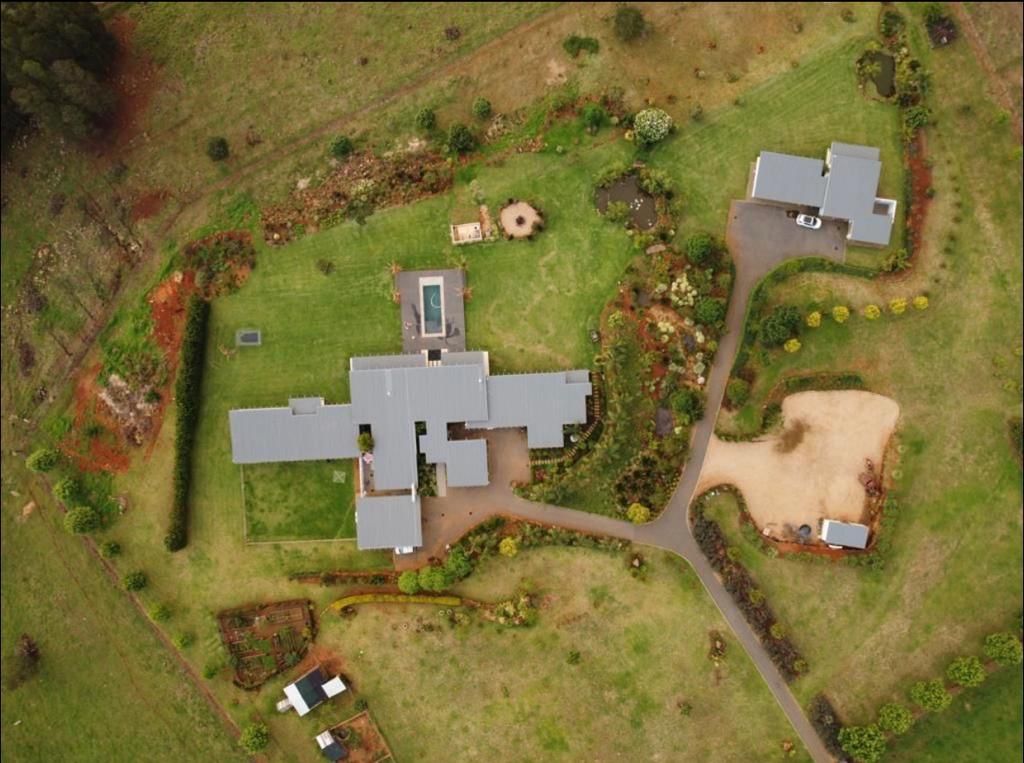
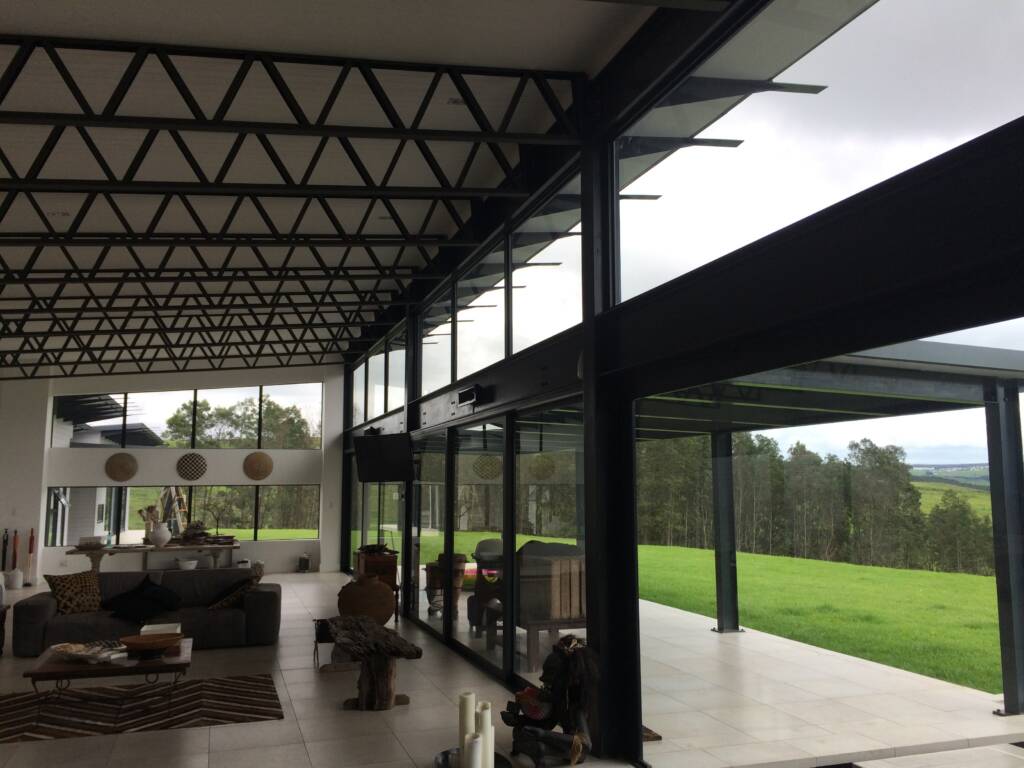
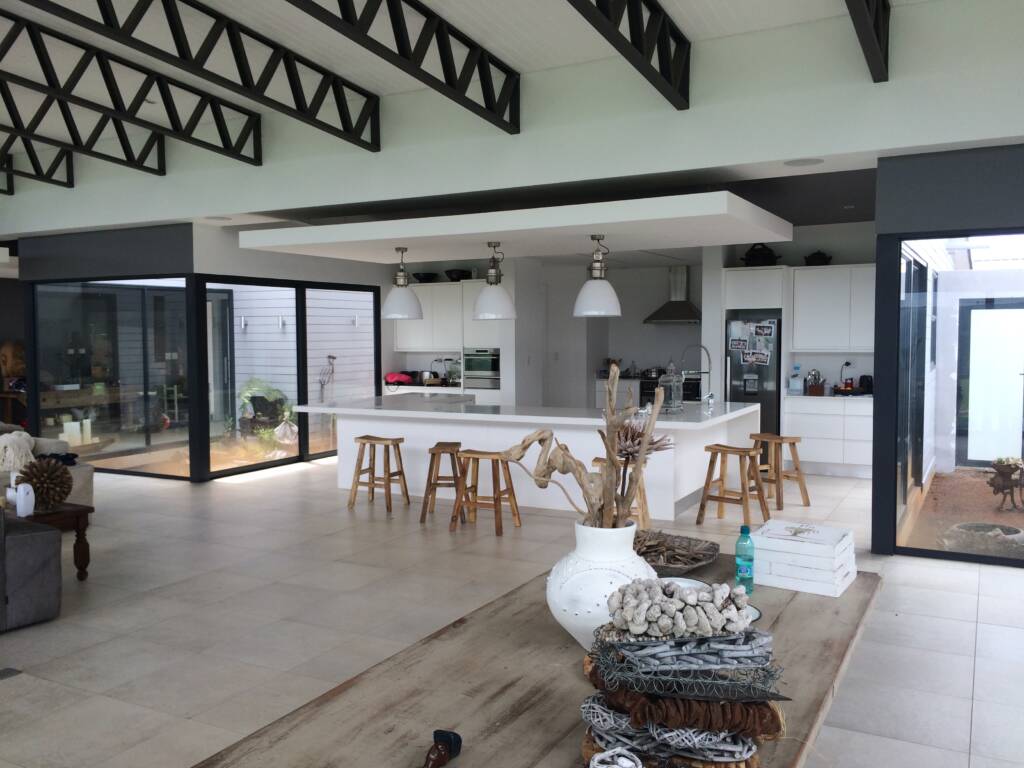
House DeClercq stands as a testament to what can be achieved when innovation meets collaboration. It’s a home that embodies both precision and creativity, setting a new standard for residential construction within the estate. The success of this project has encouraged me to continue exploring the possibilities of LSF, but always with a mind toward integrating traditional methods where they make the most sense.
For more information about the construction process and the accolades this project received, you can explore additional details here, here, and here. A video overview of the project can also be viewed here.